Swiss field guide · English
P2P lending in Switzerland, verified before yield
Platforms advertise interest. This guide starts one step earlier: who holds your money, what a default costs you, and what a Swiss licence actually covers — in plain English.
Educational research — not financial advice. Lending investments can lose capital and are not bank deposits.
Module / Screen
Sixty seconds of assumptions, one honest loss range
The CHF risk screener takes your lending type, custody model, amount, rate, default and recovery assumptions, currency and liquidity need — and returns a risk band with a loss-scenario range instead of a promised return. It flags the questions your inputs leave open and routes you to the pages that answer them. No login, nothing stored.
Sample output
Moderate risk profileAssumed case +2.9% / yr
Stress case −3.1% / yr
Illustrative example: 6% interest, 3% defaults, 30% recovery, 1% fee.
Module / Models
What kind of lending are you researching?
Consumer P2P
Private borrowers, small loan parts, statistics matter more than single loans. Governed by Swiss consumer credit rules.
SME crowdlending
Business loans with real loan files to read: financials, collateral, sector. The skeptic’s discipline pays here.
Real-estate lending
Mortgage-backed crowdlending: collateral helps, but valuation, rank and exit assumptions decide the outcome.
Invoice & international
Short-term invoice finance and foreign P2P platforms: extra layers of platform, legal and currency risk.
Module / Verify
Five checks before any Swiss platform gets your money
Marketing pages answer none of these. The full verification checklist shows where to find each answer and what a red flag looks like.
- Licence status. What authorisation does the platform actually hold, and does FINMA’s public register agree?
- Custody. Platform account, partner bank or segregated client money — who holds funds in transit?
- AML & identity. Swiss imprint, real address, KYC process that exists before you can invest.
- Solvency signals. Who owns the platform, how does it earn, what happens to loans in a wind-down?
- Documents. A loan contract and fee schedule you can read before committing a franc.
Module / Currency
CHF or foreign currency: the quiet return-killer
A EUR loan at 8% is not a CHF loan at 8%. If the franc strengthens during your term, the currency move can absorb years of interest — before defaults are even counted. Illustration for a 3-year EUR loan, before fees and defaults:
| Scenario (illustrative) | EUR yield | CHF move vs EUR | Effective CHF return |
|---|---|---|---|
| Franc stable | 8.0% / yr | 0% | ≈ 8.0% / yr |
| Franc firms moderately | 8.0% / yr | +3% over term | ≈ 7.0% / yr |
| Franc firms strongly | 8.0% / yr | +10% over term | ≈ 4.5% / yr |
Simplified arithmetic for orientation only — full walkthrough in CHF vs EUR P2P loans.
Module / Research rules
How this site treats platforms
No “best platform” claims. Any future platform page must show custody model, licence status, sources and a last checked date.
Risk mechanics come before comparison criteria. If a page mentions returns, it must mention defaults, recovery and fees in the same breath.
Commercial links are disclosed and never change rankings — the standards live in our methodology and editorial policy.
Module / Research log
From the field guide
- SME Crowdlending in Switzerland: Reading a Loan File Like a Skeptic
 A practical guide to reading Swiss SME loan files with a skeptic’s eye: financial statements, collateral, term, sector risk, and the concentration risk that quietly damages crowdlending portfolios.
 - CHF vs EUR P2P Loans: Why Currency Risk Changes the Return
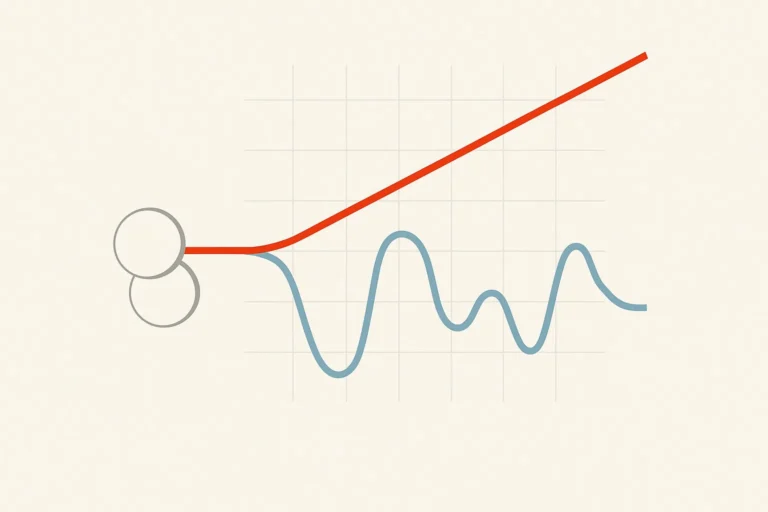 A EUR loan advertising a higher rate than a CHF loan is not automatically the better deal. Once currency risk, conversion fees, and hidden spreads are factored in, the francs-equivalent return can look very different from the headline yield.
 - P2P Lending Risks: Defaults, Liquidity, Platform Failure and Currency
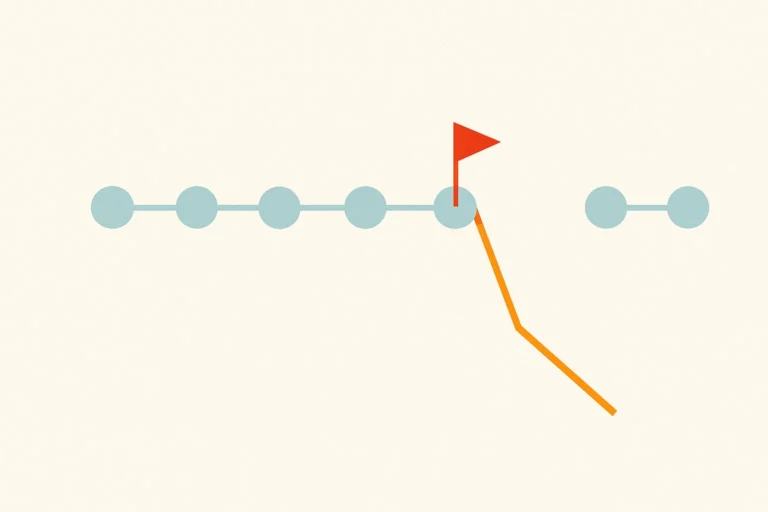 A breakdown of the four core P2P lending risks: borrower default, platform failure, illiquidity and currency exposure, with a worked illustrative example showing how gross rates become net returns.
 - FINMA, FinTech Licences and P2P Lending: What Investors Should Check
 FINMA does not approve or endorse P2P lending platforms. Learn what its authorisation categories, the FinTech licence, and AML/KYC rules actually mean, and how to verify custody and licence claims yourself.
 - Crowdlending in Switzerland: Consumer, SME and Real-Estate Lending Explained
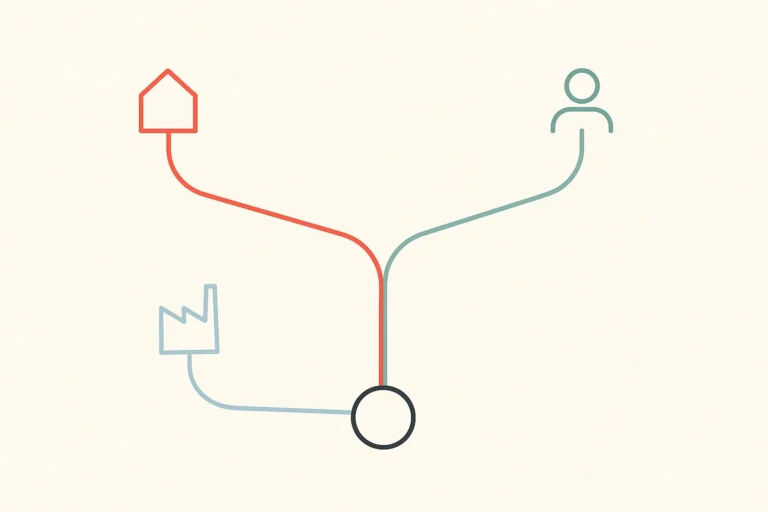 Crowdlending covers consumer, SME, real-estate and invoice-based loans in Switzerland, each with different security and risk. Here is how the segments compare and where P2P lending fits in.
 - Swiss P2P Lending Platforms: How to Compare Without Chasing Yield
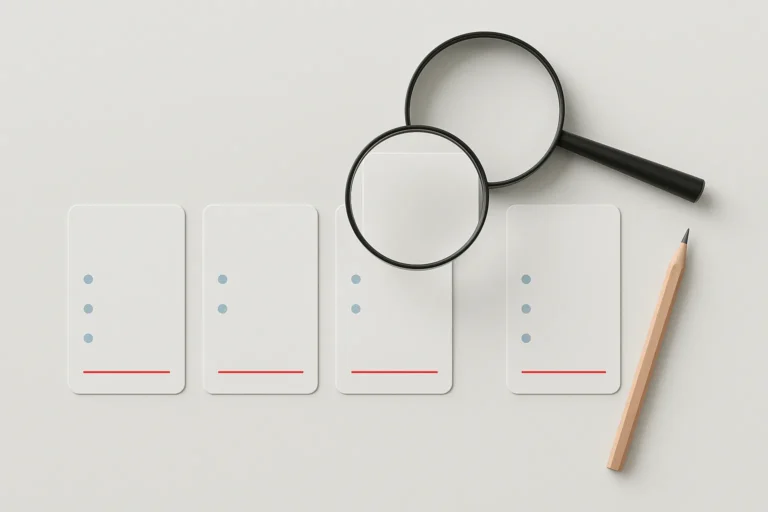 Advertised yield is the weakest signal for comparing Swiss P2P lending platforms. This guide sets out a repeatable method covering custody, loan disclosure, fees, and verification, plus a comparison checklist.
Module / FAQ
Frequently asked questions
Is P2P lending legal in Switzerland?
Yes. Platforms operate under Swiss financial-market and consumer-credit rules, and some hold specific FINMA authorisations. What matters for an investor is which rules cover which platform — see the regulation guide.
Are P2P investments protected like bank deposits?
No. Loans you fund are not covered by deposit insurance. If borrowers default or the platform fails, invested capital is at risk — the mechanics are covered in P2P lending risks.
What returns are realistic?
This site does not forecast returns. Advertised rates are gross; your outcome depends on defaults, recovery, fees and currency. The screener turns any advertised rate into an honest range.
Which platform should a beginner choose?
The wrong question order. First decide lending type, custody requirements and currency exposure, then interrogate specific platforms with the verification checklist.
Does this site give financial advice?
No. Everything here is educational research with sources and dates. For personal decisions consult a qualified adviser — see our editorial policy.